I sent my daughter to school today.

I sent my daughter to school today.
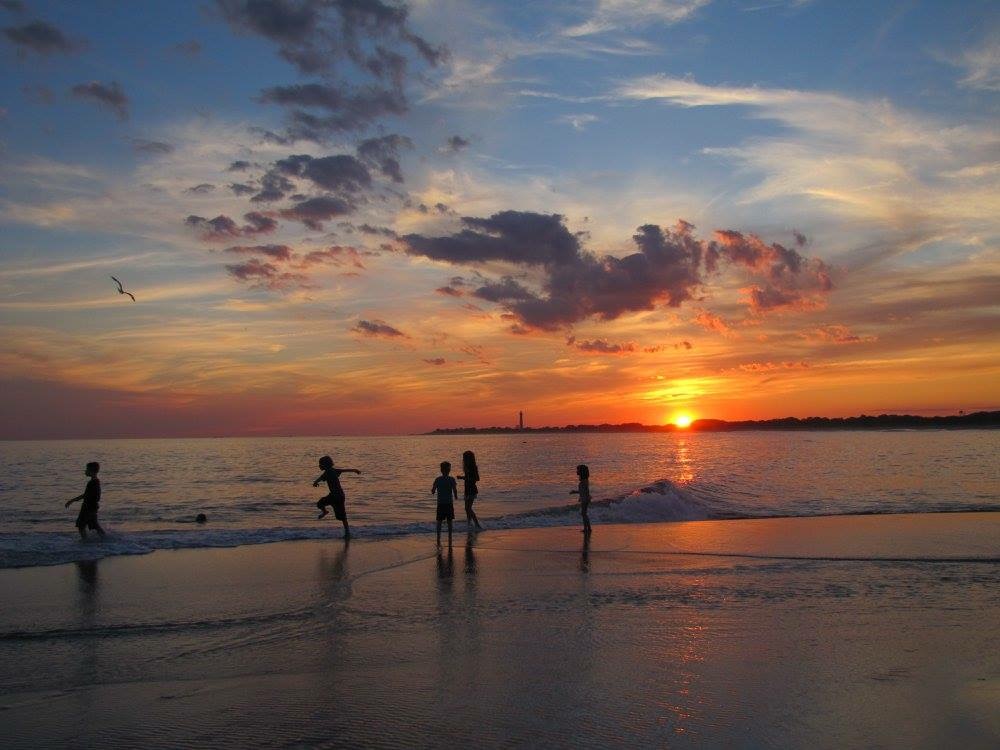
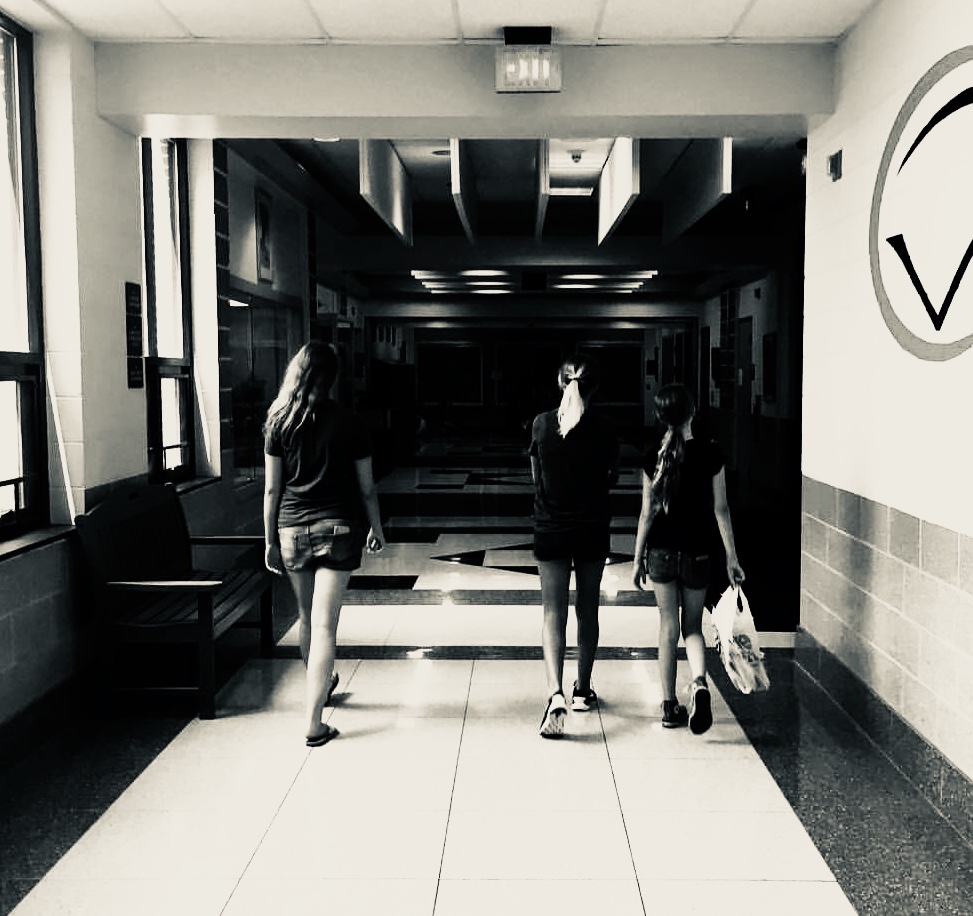
We were told earlier in the week that there had been a threat of violence at the High School planned for today, March 23rd. We were given enough notice to let the threat sink in…to decide how to react. My daughter was given a choice: she could stay home—where safety was guaranteed, and family would be close—or she could walk out the door, board the bus, and head to school as usual. She chose to go. “I don’t really feel afraid, mom,” she told me, but as we stood waiting for her bus to come, she asked me to pray over her. I knew her mind was on the possibilities…on the unknowns and the what-ifs. But she chose to go. It took everything in me not to pull her back—not to pull all four of my babies back inside and keep them close—but I let her go, because she wanted to. I drank deeply of the air surrounding that moment—I wanted that ability to trust so deeply in the One that sees even the sparrow—that ability to step out into a tangled mess of unknowns and fear, and to just trust.
The truth is, none of us are promised tomorrow. Every day we step out into a tangled mess of unknowns, and although the fear isn’t always there, we aren’t guaranteed that we will be. We aren’t guaranteed that the people we love most in the world are going to walk back through the door at the end of the day. Every day counts, and it matters what we do with it. 2 Timothy 1:7 says that God did not give us a spirit of fear, but of power, and of love, and of sound judgment. My daughter chose to step out the door into an unforgiving and angry world that desperately needs every bit of love and peace that she has in her heart to share. And although my protective mama’s heart wanted to keep her here, I know she was right to go. We are all called to step boldly out into the unknown of each day, pour as much love and light into it as we can, and then hope for a better tomorrow.school

Immanuel

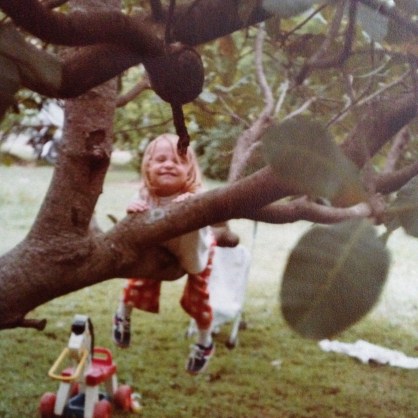
I grew up in West Africa, daughter to career missionaries. I have so many wonderful memories of my childhood in Nigeria: from running barefoot for hours through the red dirt on our compound roads, to climbing the guava img_2201trees in our yard and breathing deep of that intoxicating smell of a tropical storm approaching… Being an MK means I have a richer, broader view of our world, but it also means I have lived most of my life in a disorienting third culture that few understand. I’m not Nigerian, and I will probably never really feel like an American.

This internal struggle to identify myself—to root myself—has been life-long, and at times debilitating. I read a letter recently that was written to missionary’s kids, and I wept when I read it. It gave voice to the struggle that for many MK’s is invisible. It said quite simply, “At times YOU bore the weight of the calling of God on your parents’ lives…you have made sacrifices that have gone unacknowledged by anyone.” A lifetime of sacrifices, unacknowledged. Living the life of a Third Culture Kid often means never being understood. It means belonging everywhere and nowhere; it means being surrounded by familiar, happy faces and feeling completely alone. It means leaving the people who mean the most to you in the world, crossing oceans in solitude, and fumbling through a confusing “home” culture to figure out where you fit. It means struggling—even as an adult—to make genuine, real connections with people, because you are so tired of goodbyes. It means having a heart so full with memories so rich, and having no one to share them with. It means being unseen. Unacknowledged.

And yet, Immanuel. God with me…

HE is my identity when I don’t know who I am. HE is my solidarity when I am uprooted. HE is my home when I have none. HE is my family when mine are oceans away. HE SEES me when I feel unseen and misunderstood and so, so alone.

Many years ago, I married a wonderful man who tirelessly encourages me when I struggle, and waits for me in the moments when I’m insecure and distant. We have our times of joy and connection, but we also have heavy, empty spaces of distance and silence…God with us? Even here?

Two years after getting married, we became parents for the first time. I still remember holding each of my babies seconds after they entered this world…crying, shaking, and scared.

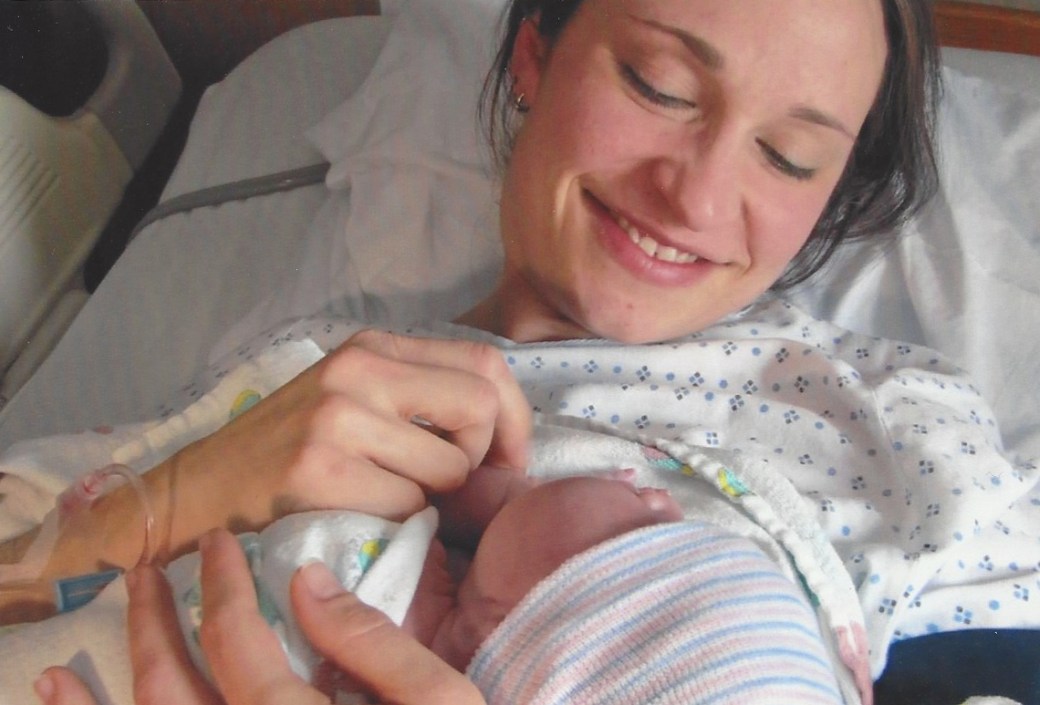
The joy that welled up in the deepest parts of me! The tightening around my heart, jumping up into my throat! I remember those first moments so clearly: holding their frail, wrinkly bodies close, and trying to whisper calm to each little spirit as they flailed with the newness of this place. They had been in our world but moments, yet when I looked into their deep, brown eyes I knew them. I loved them. 

I could not comprehend why Abba Father had entrusted these precious lives to me. To me! A lost, insecure Third Culture Kid with no idea how to encourage four children through their most difficult struggles in this life…I cannot even navigate them myself. Fourteen years have somehow raced by, and my children are still flailing with the newness of this place, and I am still trying to whisper calm to their spirits, while I myself still feel shaky and scared inside. And I fail. Every day, I fail.

And yet, Immanuel. God with me…

HE is Comforter for my daughter when I can’t find the right words. HE is the patience I need when I have none left to give. HE is my support when I’m drowning in doubt. HE is the deep breath I take over, and over, and over to silence my tongue. HE is my peace when I’m weeping with the ache of harsh words spoken too quickly. HE is my forgiveness when I lose it with my son. HE is my perseverance when I’m not connecting with the man I love. HE is my certainty when I second-guess my calling. Every. Single. Day.

And when I buckle under the weight of childhood, motherhood, marriage, calling…HE is the Rock on whom I stand.

Every time I fall.

Winter Morning

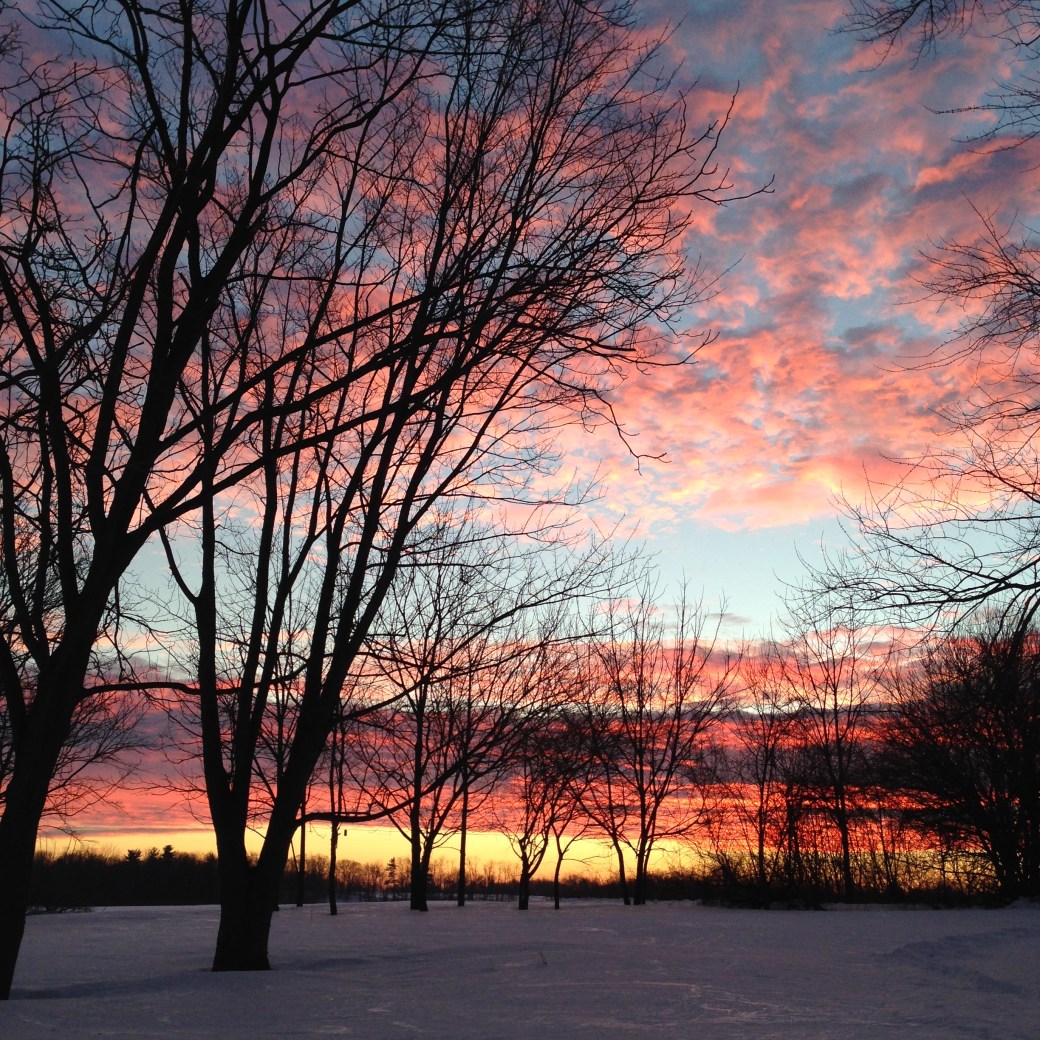
In the still hours before the children woke, I waited by the window, feeling winter’s chill seep quietly through the glass as I watched the morning creep up over the back field. The sky was deep and dark, with the crisp outline of crescent moon still suspended in its grip. I watched as the warm glow of sun broke just over the horizon–thin pale line of orange, growing slowly thicker–quietly pushing back the dark. Now the sky bleeds up from the field, orange, to yellow, pale blue, then that deep dark of the night, and suddenly I notice the tree: silhouetted against this beautiful canvas with moon hanging still overhead. I hadn’t seen it a minute ago in the depth of the dark, and it struck me how that very tree—now breathtaking against the early morning—had been so very plain and dreary yesterday in the cold winter day.

My eyes are fixed on that tree now, tracing its lines, crisp and dark against the brilliance of the sunrise. I’ve often thought we should get rid of that tree. It’s been chopped and regrown multiple times over many years, leaving it a stumpy, gnarled mess. In the daylight I can pick apart each imperfection and plot how to make it less of an eyesore…more of what I want it to be.

Growing up a Third Culture Kid, I learned very early that I didn’t really belong anywhere. I learned to spend every moment scanning my surroundings, comparing myself, trying desperately not to stand out, and then turning around and letting myself be as contrary as possible. I picked myself apart trying to be someone other than me. Even now, I find myself scanning, comparing…retracing the lines of my life, and wishing them different. This life I find myself living—this day in, day out laying down of my own desires, this trudging through dishes and laundry, and waiting by bedsides for sleep to come, and wiping peanut butter off counters and faces, plodding forward to what feels like nowhere—this is not where I had dreamed I would one day be. I had dreamed of being a mother, but somehow in those dreams I was overwhelmingly content to be so. I love my children dearly, and cherish each moment with them—they have brought more joy to my life than I could have thought possible—but there is still part of my heart that feels a kind of deep disappointment that I don’t quite understand. I have watched friends and family accomplish awe-inspiring things; I have watched them be able to measure their success with a paycheck, or with applause from the people around them. I have watched them cultivate close friendships, and travel the world…. Those high school years full of big dreams and big hopes are almost twenty years behind me, and I haven’t yet written an amazing book. I haven’t backpacked across Europe with friends, created fabulous art, or camped in exotic places. I haven’t found that one person I can completely pour my heart out to. I haven’t lost those last ten pounds or learned to speak eloquently in front of a captivated audience. I have no impressive list of accomplishments to put on a resume when my kids are finally all in school. But why does that matter? It shouldn’t. I know deep in my heart that spending the last fourteen years giving of myself to the little people I grew in my body is perhaps the most important thing I could have done with all those years. So why the disappointment? Why do I keep scanning, comparing…My lines are different. I want a solid, amazingly beautiful tree with lovely branches. Not a gnarly one. Not this one that has been chopped and regrown, and half dead in places. …I retrace the lines of me that feel ugly, look ugly. The lines I obsess over, trying with all I have to erase and redraw, regrow, rewrite… If only I were different.

My eyes are still fixed on that tree out my window. I retrace the lines of me. If only I COULD redraw, regrow… For a brief moment, the sky behind my tree bursts into brilliant color before quietly fading to its pale blue of day. My Creator paints that sky. He paints it with such love, and it makes these gnarled lines look astonishingly beautiful. I step back and look at the silhouette of my own tree against the colors my Creator paints. I retrace the lines of me. Perhaps I haven’t accomplished any of the things I imagined I would. But I have slept under the breathtaking beauty of a bush-sky in Kubacha. I have laughed so hard that my heart jumped out of my eyes. I have melted into the arms of the man I love and felt him hold me. I have held my four babies countless times and stared into their deep brown eyes, watching them search mine with that deep knowing that holds us there in that moment. I have cried and prayed with my daughter over the loss of a friend. I have plunged my fingers deep into Earth’s soil and watched seeds grow. I have drunk in the laughter of my son that comes full and hard and fills the room. I have created chalk masterpieces on cement patios with little hands and little voices chatting as we draw. I have smelled the sweet scent of boxwoods out my window on a warm, spring morning that spark memory and lift my spirit. And today I have watched Ubangiji paint the morning with His brilliance, turning an ugly tree into a beautifully unique and stunning silhouette.

I retrace the lines of me. And at least for this moment, I smile.

unfiltered winter morning

Returning, part two

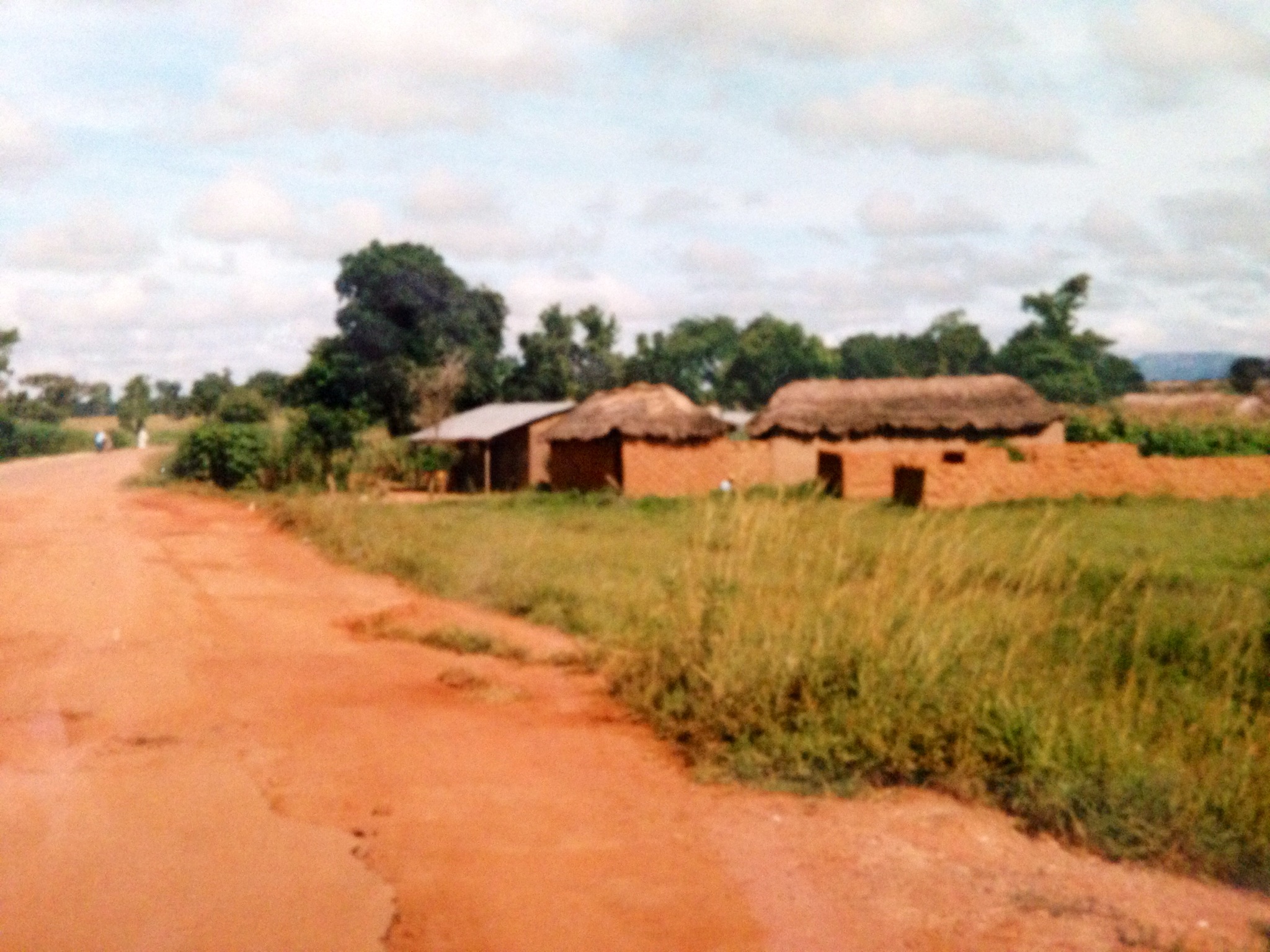
We begin the long journey southward, leaving Kano and heading towards Plateau State. Can I possibly describe it? Its people, its landscape… all of my best growing-up memories are drenched in its smells and its sounds, the heat, image-4the Harmattan dust, the tapping of rain on tin roofs, the lightning flashing against the flat Savannah, Fulani boys wandering with their cows close by, military stationed in the forest with their weapons slung over shoulders and their smiling, friendly faces; women selling oil-drenched food at the side of the road, the dirt-mounds of farm land for miles, miles, miles… and then the flame trees, the baobab and mango where villagers congregate to escape the sun’s heat, those sweet excited faces of children running and calling out to me with their wide smiles and dark, beautiful eyes.
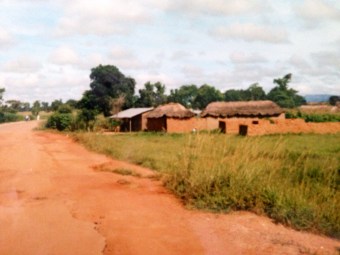
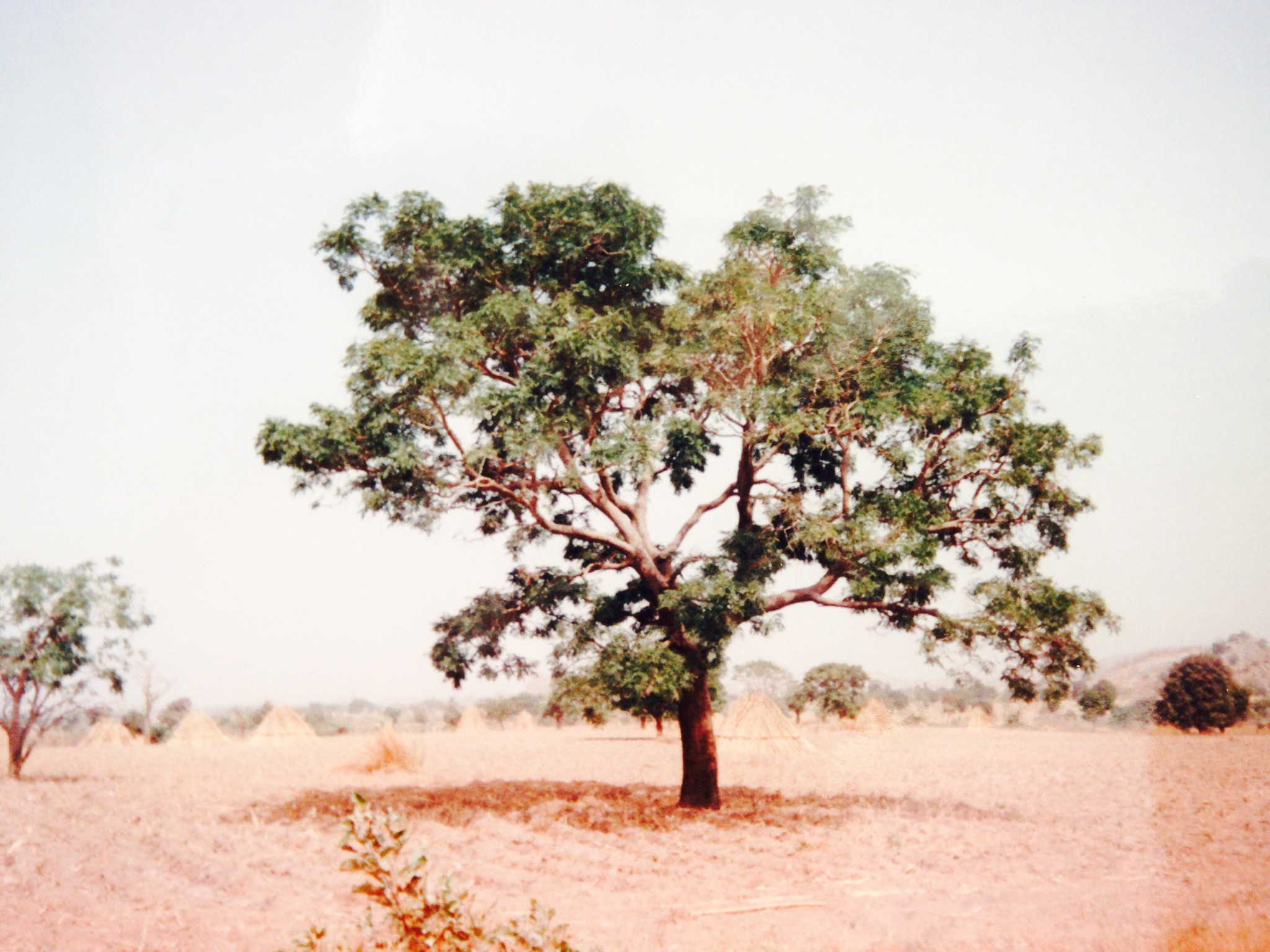
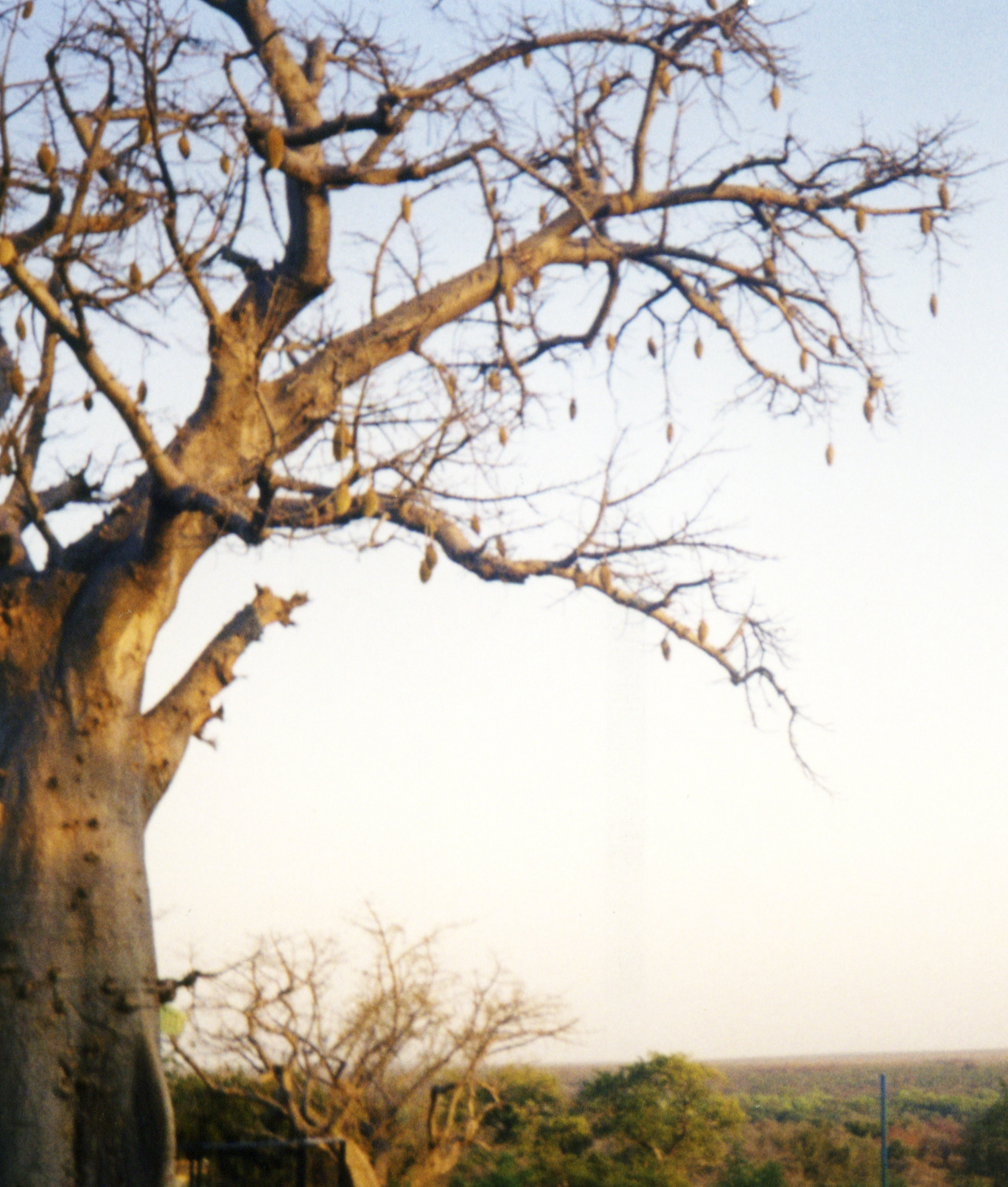
I watch out the breezy, open window of the van that carries me over pothole-ridden roads as my beloved Jos draws near. Low bushes pass, one after the other for miles, miles, miles…and then the mahogany trees that line the dual-carriage way, the tall wispy white eucalyptus… We stopped briefly on our journey through the forest, climbing wearily out of the hot, sweaty vehicle, wandering a bit to stretch cramped legs. Standing beside the road, I touched the delicate, new leaves of familiar shrubs, breathing deep of the dusty air and remembering. Surrounded by low trees and dry grass, I found a West African thorn tree. How beautiful they are; so tall with arms like frilly green ferns. But draw closer to it, and you’ll realize that nestled in its lush, lacy leaves are thousands of long, sharp thorns. I smiled to myself at the memory of them, and carefully plucked two of its thorns to place in my book.

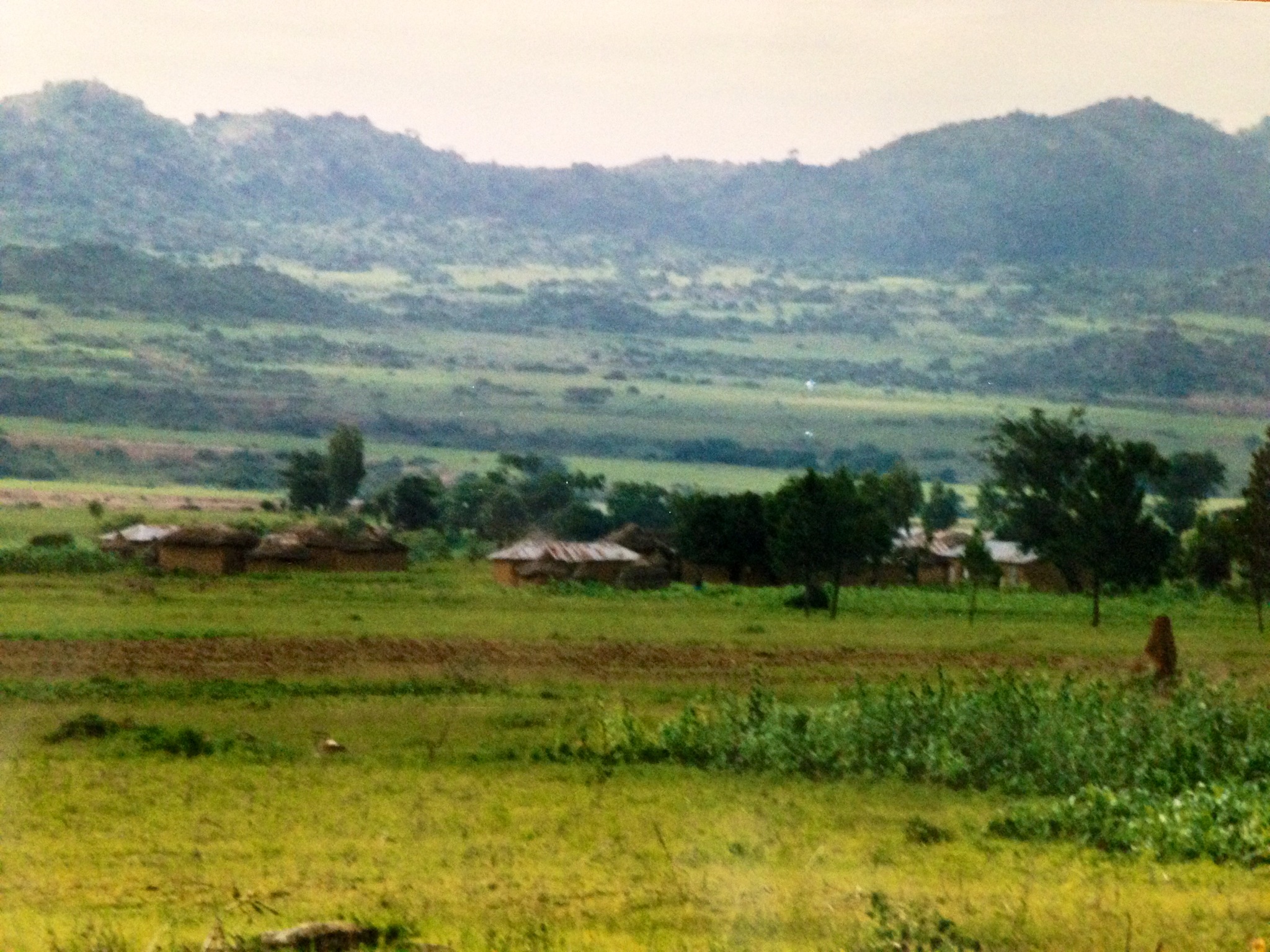
Eventually we began the drive up the Plateau. Coming in from the North was a gradual climb…somehow it didn’t feel like image-5ascending. Approaching it from the South would have been steep, and you’d realize how high up the Plateau really is. It truly is beautiful. This stretch of the journey seemed to simply crawl by.
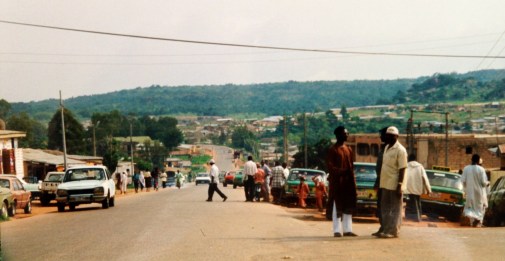
At long last the van pulled into Jankwano compound, kicking up dust from the final stretch of dirt road that wrapped around the hospital, winding past houses, small stretches of farmland, cinderblock walls, an occasional chicken wandering carelessly…ending finally at the tin-roofed house with the flame tree stretching over it that held a myriad of my memories. I let the excitement of returning take over, and I wandered the house and its yard, soaking in each scent and letting the memories flood.

It was then that I noticed the very slight but tensely-wrung feeling of disappointment in the very hollow of my stomach. How long had it been there? I didn’t understand why it was there. I was surrounded by all the beauty of my home, reunited once again with this treasure I had held in my heart and had ached for, and yet nestled within my joy of returning was disappointment? It was creeping up, growing stronger. As I wandered, rediscovering all my memories of home, it felt as if I knew nothing about this place; as if I were a stranger here, a mere visitor.

Suddenly I understood: I didn’t belong here.

I could not have imagined that it would be so difficult to return. How very much like that thorn tree my dream of home had turned out to be. Its lacy branches seem riddled with thorns. The longer I grasped this feeling of not belonging in my home, the more devastating it became. Thorns… On my beautiful tree.

Perhaps I stayed away too long. I had held tight to this dream of returning, held it so long that while I turned the memory of it over and over again in my heart, somehow I must have grown away from it. Is it possible that despite my heartache and longing for home, I had quietly made a place for myself far away, over oceans, far from home? Always with me had been that dream of home, that hope of getting it all back one day, that desperate yearning for everything I had once lost. And now, to finally return and to discover that it is no longer mine–that perhaps it never was mine at all–how desperately lonely this feels.

“We never quite belong,” Momma said to me once, and although I knew it was true, I never thought it would hit me this hard. To straddle two worlds, never truly belonging anywhere, hanging onto memories that I hoped would somehow reconcile the torment in my soul… I’ve returned, but home is gone.

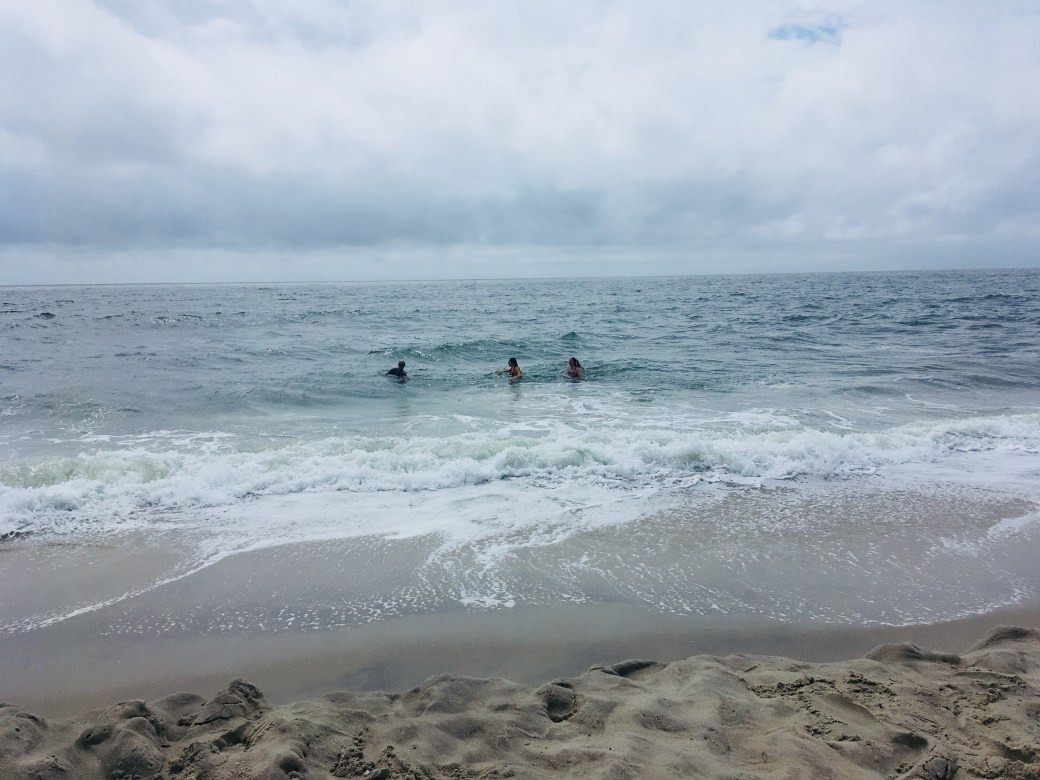
One evening as I sat in my old room, I heard the wind begin to stir outside. Unable to resist that delicious taste of an approaching storm, I went out into the night. I stood behind my parents’ house, my bare feet pricked softly by the wet grass, moonlight bathing my skin, the darkness of the night embracing me as I stood, still, my face turned up at the sky to watch the clouds. As the wind brushed its warm breath over my skin, it whispered to me, rousing my calm. I loved being able to close my eyes then, to feel the wind stir my hair, feeling my T shirt ripple against my stomach…It was so familiar, so warm, so peaceful. The swishing of treetops, leaves shuddering, heavy, heavy wind. My heart sank. I was no longer that same girl who ran through this very grass many years ago, tasting so many other approaching storms, but I could still drink deep of this moment. Oh, God, this–this is why I love this country–the beauty of it, the richness. How moving is the very wind! It stirs every tree and cries with the loud rustling of leaves and branches, the slush of banana palms whipping each other, the very scent of your rain drawing closer. Is it possible to hold home deep in my heart–to carry it with me just as it is–even though I myself move on? I had thought it was gone.

Momma came out then and stood by my side, drinking it in as I did, wishing she could sit in the night and feel the wind for hours. How perfect it was, just standing there, enveloped in the night winds. That night I remembered what it felt like to BELONG here–to be comfortable in my country. Momma said that we’re supposed to feel uncomfortable–because we are always changing. Nothing stays the same.

I closed my eyes again as we stood, breathing deep of the storm-soaked wind, and listened to my spirit whispering with the storm. Ubangaji, let me pass through this softly enough to still savor my last weeks in this country that so tenderly holds my heart.

Nothing stays the same.

I ache. These immoveable memories–image-2those of landscape, of sounds and smells, of storms and dust, of trees, of grass, of sky–perhaps these will remain. Perhaps, somehow, I will find them unchanged by the malicious onward stride of time, a thing I myself have been altered by.
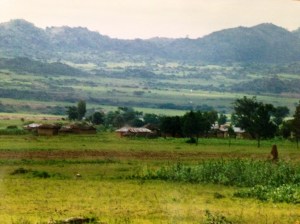
I guess the funny thing about this long journey home–this passage that many of us spend our whole lives making–is that you never quite arrive. Try as I may, I can never fully return to that beautiful place that once held my heart. I can simply reopen my book now and then, run my fingers over the West African thorns I placed there, and remember.
Returning, part one

I managed to return to Nigeria several times during my college years, and I very clearly remember those gripping knots in the pit of my stomach before I arrived, afraid that my home would somehow be too different for me to recognize. That my years away would have taken my memories of home and romanticized them, and perhaps I would find things as they never were…that perhaps I would be dissatisfied upon returning, or that home–this idea I had clutched for comfort for too long–would have completely disappeared. My memories of home and the hope of returning are what sustained me through each long day that crept by in America. What would I do if I should find it gone?

As I poured over some old journals the other day, I tripped over two entries from my very first journey home. Reading through them, I found myself right back there, struggling in that too-familiar thick mud of fear.

Wednesday, May 14, 1997

I sit now in a blue chair that provides me no comfort, and my bare toes rest beneath me on a large bag filled with my memories and my offerings to a country I shall try to find again. I lost it the day this book began: almost a year ago. Nigeria cried for me then, and every day since I have shed my own tears for her. She needs the comfort of sweet rain, as do I…yet I could not be there to taste it. My heart has yearned for this moment: this moment when I would be seated above the now narrow earth, traveling over oceans through sky and cloud.

And yet my heart is lost…and my mind with it. This last year languished in rotting memories. It had been my chance to journey forward, to make my own way in this immensely large world, to learn, to take my future-imaginings and build on them and make them come to pass. But my attempts all failed and I found myself standing still, motionless, surrounded by dreams while they moved on without me.

They moved on.

Is that, then, why I make this journey now? To return to my past that has haunted me–to a country that still boils in my blood–that I may face it and say to myself, “See? The land has not waited for you, precious. You MUST move on.” Excitement to return has clouded me for a while now. I’ve been unable to learn to love the new people in my life. “I just want to go home,” I would say, paralyzed. But it wasn’t real until I lay awake listening to the clock downstairs in my grandparents’ New Jersey home, chiming 4 in its muffled song. The sun not yet risen, my thoughts wakened and screamed silently, “It will NOT be the same! You shall be devastated…”

What a strange dance, this mingling of fear with excitement… And they grow stronger as my journey creeps forward. I am wrestling fiercely now with these two as I sit, finally moving closer to native soil. To grass huts and tin roofs. To the smell of rain and the dusty red fog of Harmattan…“To tear your breath apart” the Twi say it means. And it does tear my breath, thinking on all these things. This breath leaves me now, along with my thoughts, as I find myself suddenly and unexpectedly content to wait in silence for my journey to end.

I turn to the window. The sky is wonderful tonight as I write. Dark clouds create a horizon where there is none, and as the sun leaves us behind, a thin, pale blue line bleeds to green and into black as the darkness descends upon us.

What now?

I notice there are no stars tonight.

Friday, May 16, 1997

A long, restless journey has left me here in a guesthouse in Kano, 6 a.m. I have watched the sun rise up behind a cracked cement wall with a rippled tin roof that sits outside my window. I drew the curtain an hour ago to watch it. I gaze at the leaves of a flame tree blowing with hot Kano breezes, and drink in the sounds of birds singing to me in these early morning hours. Wake up! They sing. You shall not sleep this day away! Not this day. First day home. Nigeria.

I recall the tears I shed yesterday as the plane touched down. I was unable to tear myself from that window, too, immersing my soul in the sight of that vast, dusty landscape approaching, nearer, nearer, endeavoring to reach right through as the thud under my feet told me we had landed.

My feet were joyful. It didn’t take long to gather luggage and join the line that was making it out the door and down the iron stairs to the hot tarmac below. I stood at the top of those stairs, as heat slapped me in the face, drawing sweat from every gland all at once, but I loved it. My heart skipped into my throat as we walked across the tarmac, waving excitedly to family up above the terminal as they reached through that familiar iron rail. Tears again as I walk, hurrying to the crowded, dark room where we stand in line, and men with uniforms check our passports. Time drips by, but at length I find myself walking through the door to the outside world, spying familiar faces in a crowded parking lot. Love.

I cannot describe to you relief; the relief of tasting a country I had once left so far behind, thinking my eyes would never again lay upon it. But they held it yesterday, and they hold it still today. They wouldn’t let me sleep and miss a second of it. And to my heart’s delight, nothing here has changed. Kano is still the same. We journey the long roads to Jos today, and although I am anxious, I grip the hope that my home has waited for me. photo

Leaving Home

1

I left Nigeria on a day when dark clouds cluttered the sky over the Plateau, and the delicious smell of approaching rain hung in the thick air.  I remember standing on the red dirt road in front of our house, waiting to board the van that was to take me across bush roads to our tiny international airport.  I remember the scent of the mango tree, the soft prickle of heat on my skin, and the tremendous ache in my heart.  I remember the fear.  I remember desperately, silently choking back the tears that burned deep in my throat.  And I remember the moment that I broke under their weight, for at that moment the heavy clouds gave way.  The Plateau sky opened up and gently poured its aching over my skin.  Clouds, dark and full released rain so gentle and so steady that I was quickly lost in it.  The rain was strong arms slipping around me, pulling me close, calming my rage.  My country was crying for me.  And I let it.  I didn’t run for the cover of a roof, click open an umbrella, or slip a hood over my head.  I let it pour down and soak every inch of me until I shook with the weight of fabric soaked cold and the burden of my own tears.  My hearts’ cry mixing with tears from heaven, sliding down my skin, dripping all my anger into the mud at my feet.  I couldn’t bear to leave.

But I did.

Eighteen years have slipped by since that day, yet it visits me still.  I was the middle child of career missionaries in Nigeria, West Africa, and a little town called Jos is where I spent most of my growing-up years.  The red Harmattan dust, the smell of kosai and yams frying along the road, the sweet scent of an approaching thunderstorm, and streets bustling with dark, friendly faces are what was familiar to me.  It permeated every piece of me, seeped into my skin and colored my vision.  And yet, even here, I felt unsettled. No matter how dear to me was this place and these people—no matter how many afternoons I spent running barefoot through the red dirt, no matter how many guavas I ate right off the tree—I knew I could never be fully Nigerian.  Somehow, I would always be bature: a visiting white face, with roots someplace else.  Home, I was told, was back in the United States, where style was contemporary, stores were colossal, and the air was bitter with winter.  But it didn’t feel like home.  Not once in all the times we visited America did anything feel familiar.  It was always changing, always alien, always frightening.  I did not know this place.  It was not mine.

Most of my childhood I spent trying desperately to figure out where I belonged: years of finding, losing, grieving… I still don’t know.  That little cinderblock house in Jos was the only thing that ever made sense.  It never really changed—it was constant—and I always felt safe within its walls.  It didn’t matter where in the world we journeyed to, we always ended up back under that same tin roof.  It was home, soaked with its scents and its memories.  It was my hiding place from the world that confused and rejected me—on both sides of the ocean—again and again.  The path I’ve traveled as a Third Culture Kid is strewn with the carcasses of goodbyes, but this…this was the hardest one yet.  Leaving home meant leaving behind the only thing that had ever seemed right in my life.  And I was terrified.  I remember watching the puddles gather at my feet, the red mud growing thick, my tears dripping hard, and I remember wondering how long that profound ache would linger.  How long would my heart remain here—under Plateau skies—after my feet would uproot from that driveway and walk away?

For years afterward, my memories of childhood in Nigeria continued to stir such deep sadness in every part of me, crippling my spirit and morphing into a silent anger towards everyone I met.  I wandered through the busyness of college years pretending to have it all together.  Pretending I knew who I was.  Pretending the ache wasn’t there.  Always pretending.  Desperately wanting to completely belong.  Somewhere.  Anywhere.

It took me a long time to finally figure out that my memories of home are okay to carry around, and that being an uprooted, countryless TCK isn’t necessarily a bad thing.  I spent so many years feeling isolated and angry and wishing I could have been someone else, that I missed one of the most beautiful things about being a TCK: there are SO many of us.  All wandering.  All worn from the heaviness of so many goodbyes.  All confused and colorful with our mix of cultures and our refusing to blend in.  My memories of home don’t need to cripple me, they make me solid.  They are what stay with me, just under my skin, and color my present.  They are mine.  That moldy smell of elephant grass, the blue lizards with their orange heads sunning and nodding on concrete ledges, the swishing and clicking of mango tree branches in the soft, warm evening wind….

In Hausa they say “sha iska,” which literally means drink air.  That phrase always stirs something cavernous and piercing in my spirit, something that cries out for belonging.  Whoever you are, wherever you are, whether you feel you belong somewhere or not: DRINK the air.  Don’t just exist, don’t just wander unnoticing through each day.  Breathe deeply of life. Swallow each moment, savor it, keep it, for it will not linger long.  Drink in the bursting laughter of your children, and the way the setting sun looks as it casts its glow on the dry, golden cornfields.  The earthy scent of coffee brewing early in the morning, and the dizzying whirl of red and yellow leaves against October sky.  Sha iska.  Live fully.  When my children curl up in my lap and I hold them close, when my husband silently curls his fingers through mine in a crowded room, when an old friend and I laugh about a shared experience back across the ocean…in those small, scattered moments I feel like I just might belong somewhere.  Those sprinkled moments where I find I can truly drink of the air—I can sip deep from the uncomplicated loveliness of life, and all of my solitude and all of my uncertainty doesn’t matter anymore.  I belong right there.

Sometimes I think back to that day I left home, and I wonder when it was that my heart finally slipped away from it.  I like to think that I drank so fully of those moments that if I were to go back, my tears would no longer fall out of anger and confusion and fear, but out of gratitude…out of knowing that I had a good thing, I drank fully of it, and I would carry it always close—just under my skin—where it could color my today.